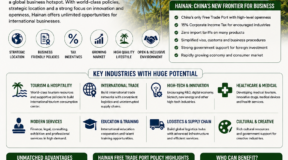
Hainan, China, is becoming an increasingly interesting destination for international entrepreneurs looking to build a business in China. The province combines a growing international tourism industry, tropical agriculture, international trade opportunities, modern services, and the development of the Hainan Free Trade Port.
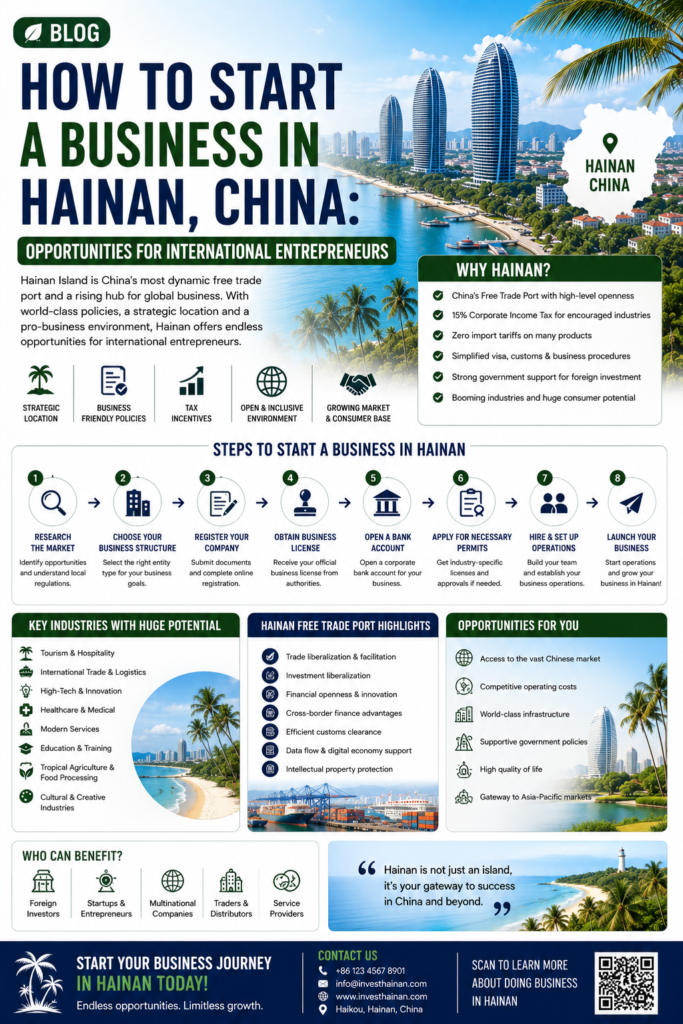
For foreign entrepreneurs, Hainan can offer opportunities in areas such as international trading, China sourcing, e-commerce, tourism, hospitality, technology, digital marketing, agricultural products, food processing, and international business services.
However, starting a business in China requires careful planning. Foreign entrepreneurs need to understand the appropriate company structure, foreign-investment requirements, business scope, registered address, taxation, banking, licensing, employment, and ongoing compliance.
This guide explains how international entrepreneurs can approach starting a business in Hainan and explores some of the business opportunities available in the province.
Why Start a Business in Hainan?
Hainan has several characteristics that distinguish it from many other regions of China.
The province is developing as an international business and trade destination while maintaining strong connections with China’s domestic economy.
Some of the factors entrepreneurs may consider include:
- Hainan Free Trade Port development
- International tourism
- Tropical agriculture
- Coconut-product industries
- International trade
- Modern services
- E-commerce
- Technology
- Digital business
- Growing international connections
For entrepreneurs who want to build a business connecting China with overseas markets, Hainan can be an interesting location to research.
What Is the Hainan Free Trade Port?
The Hainan Free Trade Port is a major long-term development initiative focused on developing Hainan as an internationally oriented economic and trade region.
The development covers areas such as:
- Trade
- Investment
- Tourism
- Modern services
- High-tech industries
- International business
The Free Trade Port is one of the major reasons international companies and entrepreneurs are paying attention to Hainan.
However, entrepreneurs should not assume that every business automatically receives special treatment or incentives. Policies, eligibility requirements, industry restrictions, and incentives can vary and may change over time.
Before making an investment decision, always verify the current rules applicable to your business.
Who Can Start a Business in Hainan?
International entrepreneurs may be able to establish businesses in Hainan depending on their proposed business activities and the applicable foreign-investment regulations.
The possibilities depend on factors such as:
- Industry
- Business activity
- Ownership structure
- Foreign-investment restrictions
- Licensing requirements
- Company structure
Some industries may be open to foreign investment, while others may have restrictions or additional requirements.
Therefore, checking the rules for your specific industry should be one of the first steps.
Step 1: Choose Your Business Idea
Before registering a company, clearly define your business model.
For example, you may want to:
- Export Chinese products
- Import products into China
- Start a sourcing company
- Sell products internationally
- Operate an e-commerce business
- Provide consulting services
- Start a digital marketing agency
- Develop technology products
- Provide tourism services
- Trade agricultural products
- Source coconut products
- Establish a food-related business
A clear business idea makes it easier to determine your company structure, business scope, location, and regulatory requirements.
Step 2: Research Your Target Market
Do not register a company before understanding who your customers will be.
Research:
- Customer demand
- Competitors
- Product prices
- Supplier availability
- Distribution channels
- Shipping costs
- Import requirements
- Marketing costs
- Expected profit margins
If your customers are outside China, research the destination market as carefully as the Chinese market.
Step 3: Choose the Right Location in Hainan
Hainan has several cities and areas that may suit different types of businesses.
Haikou
Haikou is the provincial capital and an important administrative and business center.
It can be suitable for businesses such as:
- Trading
- Consulting
- Sourcing
- Digital marketing
- Technology
- International services
- E-commerce
Wenchang
Wenchang is particularly interesting for businesses related to:
- Coconut products
- Agriculture
- Food processing
- Agricultural supply chains
- Tourism
Sanya
Sanya is strongly associated with tourism, hospitality, international visitors, and consumer services.
The best location depends on your business model rather than simply choosing the most famous city.
Step 4: Check Foreign-Investment Requirements
Before establishing a foreign-invested company, determine whether your proposed business activity is permitted for foreign investment.
Check:
- Whether foreign ownership is permitted
- Whether restrictions apply
- Whether special approvals are required
- Whether industry-specific licenses are necessary
- Whether the proposed business scope is permitted
This step is particularly important for regulated industries.
Step 5: Select Your Company Structure
The appropriate company structure depends on your business and ownership arrangement.
Consider:
- Number of shareholders
- Ownership percentages
- Business activities
- Investment amount
- Management structure
- Industry requirements
- Long-term plans
Do not select a structure simply because another foreign entrepreneur used it. Your company’s needs may be different.
Step 6: Choose a Company Name
A company registered in China generally requires a Chinese company name.
Prepare several possible names because your preferred name may already be registered or may not meet registration requirements.
The final name must comply with applicable company-registration rules.
Step 7: Prepare Your Business Scope
Business scope describes the activities your company is registered to conduct.
For example, a trading company may need business activities related to:
- International trade
- Import and export
- Product sales
- Commercial services
A consulting company may have activities related to:
- Business consulting
- Management consulting
- Market research
- International business services
The wording should accurately reflect your intended activities and comply with registration requirements.
Step 8: Prepare the Required Documents
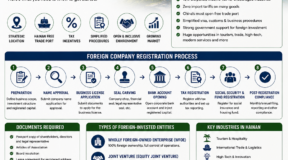
Foreign entrepreneurs should prepare the documents required for company registration.
Depending on the structure, documents may include:
- Passport or identification documents
- Shareholder information
- Company information
- Legal representative information
- Registered-address information
- Articles of association
- Ownership information
- Other supporting documents
Foreign-issued documents may require translation, certification, authentication, or other procedures depending on the circumstances.
Step 9: Arrange a Registered Address
A company needs an appropriate registered address.
Before using an address for registration, confirm that:
- It is acceptable for company registration
- It is appropriate for your business activity
- The required documentation is available
- Any local requirements are satisfied
Entrepreneurs should verify the address requirements before signing a long-term lease.
Step 10: Submit the Company Registration
Once the required documents are prepared, the company-registration application can be submitted through the relevant authorities or applicable online systems.
The application may be reviewed for:
- Company name
- Shareholder information
- Registered address
- Legal representative
- Business scope
- Company documents
If additional information or corrections are required, the applicant may need to update the submission.
Step 11: Obtain the Business License
After successful registration, the company receives its business license.
The business license generally contains information such as:
- Company name
- Unified Social Credit Code
- Legal representative
- Registered capital
- Business scope
- Company type
- Registered address
Obtaining a business license is an important milestone, but it does not necessarily authorize every possible commercial activity.
Some industries require additional licenses or approvals.
Step 12: Arrange Company Seals
Company seals are an important part of doing business in China.
Depending on the company’s needs, seals may include:
- Company seal
- Financial seal
- Contract seal
- Legal representative seal
- Invoice seal
Company seals should be controlled carefully because they can have significant legal and administrative importance.
Step 13: Complete Tax and Accounting Setup
After registration, establish appropriate accounting and tax procedures.
Your company may need to manage:
- Bookkeeping
- Tax filing
- Invoicing
- Financial records
- Employee-related obligations
- Annual compliance
Foreign entrepreneurs unfamiliar with China’s tax system should consider obtaining advice from a qualified accounting professional.
Step 14: Open a Corporate Bank Account
A business generally needs suitable banking arrangements for receiving and making payments.
Banks may request:
- Business license
- Company seals
- Legal representative identification
- Company registration documents
- Shareholder information
- Other compliance documents
Bank requirements can vary, so confirm the latest requirements with the bank you plan to use.
Step 15: Complete Import and Export Procedures
If your company plans to trade internationally, determine whether additional customs and foreign-trade procedures apply.
Potential documents may include:
- Commercial invoice
- Packing list
- Sales contract
- Shipping documents
- Customs documentation
- Certificate of origin where applicable
- Product-related documents
Requirements depend on the product and destination country.
Step 16: Obtain Additional Business Licenses
Certain activities require additional licenses or approvals.
This may include businesses related to:
- Food
- Education
- Tourism
- Healthcare
- Financial services
- Internet services
- Specialized manufacturing
- Other regulated industries
Do not begin regulated activities until you have confirmed the applicable requirements.
Business Opportunities for International Entrepreneurs in Hainan
Hainan offers opportunities across several sectors.
1. International Trading
International trading can be an attractive option for entrepreneurs who have relationships with overseas buyers and Chinese suppliers.
A basic model could be:
Chinese Supplier → Hainan Trading Company → International Buyer
Potential products include:
- Consumer goods
- Agricultural products
- Food products
- Industrial materials
- Household products
- Hotel supplies
- Coconut products
2. China Sourcing Business
Many international companies want to purchase products from China but have difficulty communicating with manufacturers.
A sourcing business can provide:
- Supplier research
- Factory communication
- Price negotiation
- Sample coordination
- Product development
- Quality-control coordination
- Packaging support
- Shipping coordination
This can be especially useful for small and medium-sized international buyers.
3. Coconut Product Business
Hainan has a strong coconut industry, making coconut products an interesting area for international entrepreneurs.
Potential products include:
- Coconut milk
- Coconut oil
- Coconut powder
- Coconut flour
- Coconut water
- Coconut candy
- Coconut chips
- Desiccated coconut
- Coco peat
- Coir fiber
- Coconut shell charcoal
- Coconut shell powder
Wenchang is particularly relevant for entrepreneurs researching coconut products and related supply chains.
4. Agricultural Products
Hainan’s tropical climate supports agricultural production.
Potential business areas include:
- Tropical fruits
- Coconut products
- Processed agricultural products
- Food ingredients
- Specialty foods
International buyers can explore opportunities to source Hainan products for overseas markets.
5. E-Commerce
International entrepreneurs can establish businesses focused on selling products through online channels.
Possible models include:
- International e-commerce
- B2B e-commerce
- Private-label products
- Online wholesale
- Product websites
- Cross-border business
Before selecting products, research the regulations and import requirements of your target market.
6. Private-Label Products
Private labeling allows entrepreneurs to sell products under their own brand while working with Chinese manufacturers.
The process can involve:
- Product selection
- Supplier research
- Sample development
- Product testing
- Packaging design
- Production
- Quality control
- Export
- Distribution
Potential product categories include food products, coconut products, household goods, consumer products, and agricultural products.
7. Digital Marketing
Chinese businesses increasingly need international marketing services to reach overseas customers.
Foreign entrepreneurs can potentially provide:
- International SEO
- Website development
- Content marketing
- Social media marketing
- B2B lead generation
- International advertising
- Brand development
Foreign entrepreneurs who understand overseas customer behavior can provide useful market knowledge.
8. Website Development
Chinese manufacturers and service companies often need websites designed for international customers.
Potential services include:
- Corporate websites
- Product websites
- B2B websites
- E-commerce websites
- Multilingual websites
- SEO websites
- Landing pages
Combining website development with international SEO can create a stronger service offering.
9. Tourism and Hospitality
Hainan is one of China’s major tourism destinations.
Potential opportunities include:
- Tourism marketing
- Travel services
- Hospitality consulting
- Hotel supplies
- International visitor services
- Tourism websites
- Digital marketing for hotels
Tourism-related businesses should verify the applicable licensing and regulatory requirements.
10. Technology and Digital Services
International entrepreneurs can also explore technology-related businesses.
Potential areas include:
- Software
- Business applications
- AI-related services
- E-commerce technology
- Marketing technology
- IT consulting
- Digital platforms
Technology businesses should pay close attention to applicable Chinese rules concerning data, cybersecurity, internet services, and related matters.
11. Business Consulting
International entrepreneurs with professional experience can explore consulting opportunities.
Potential services include:
- Market research
- International business consulting
- China sourcing consulting
- Export consulting
- International marketing
- Business development
- Cross-border strategy
12. Translation and International Communication
Language and cultural differences can create demand for professional communication services.
Businesses may need:
- Chinese-English translation
- Business interpretation
- Product translation
- Website localization
- Marketing translation
- Supplier communication
Entrepreneurs who understand both Chinese business communication and overseas markets can potentially build specialized services.
Why Haikou Can Be a Good Base for International Entrepreneurs
Haikou offers access to administrative, commercial, transportation, and professional-service infrastructure.
It can be particularly suitable for entrepreneurs operating:
- Trading companies
- Sourcing companies
- Consulting businesses
- Digital agencies
- Technology companies
- International service companies
- E-commerce businesses
Entrepreneurs can also use Haikou as a base while working with suppliers and manufacturers in other parts of Hainan and mainland China.
Why Wenchang Is Interesting for Business
Wenchang is particularly interesting for entrepreneurs involved in coconut-related businesses.
The local ecosystem includes opportunities around:
- Coconut cultivation
- Coconut processing
- Coconut foods
- Coconut beverages
- Coconut by-products
- Coir fiber
- Coco peat
- Coconut shell products
For an international buyer or trading company, Wenchang can therefore be a useful area to research when developing a coconut-product supply chain.
How Much Money Do You Need to Start?
There is no single amount that applies to every business.
Startup costs can include:
- Company registration
- Registered address
- Office
- Accounting
- Tax services
- Company seals
- Bank-related expenses
- Licenses
- Employees
- Product samples
- Inventory
- Shipping
- Marketing
- Website development
A service company may have a very different cost structure from a trading or manufacturing business.
Prepare a realistic budget covering at least the initial setup period and expected operating expenses.
How Long Does It Take to Start?
The timeline depends on the business.
Factors can include:
- Company structure
- Document preparation
- Foreign-document procedures
- Registered address
- Government review
- Bank procedures
- Industry approvals
- Licensing
A straightforward business can have a different timeline from a heavily regulated business.
Do not promise customers or sign major commercial commitments until you understand when your company can legally begin the relevant activities.
Can Foreigners Own a Business in Hainan?
Foreign ownership depends on the business activity and current regulations.
Some sectors may allow foreign ownership, while others can have restrictions or additional requirements.
Therefore, the correct approach is to check the specific business activity rather than assuming that all industries have the same rules.
Hiring Employees in Hainan
Once the company is properly established, it may be able to hire employees subject to applicable Chinese employment regulations.
Businesses may need to manage:
- Employment contracts
- Payroll
- Individual income tax
- Social insurance
- Employee records
- Workplace compliance
Foreign employees can have additional work-permit and residence requirements.
Common Mistakes International Entrepreneurs Should Avoid
1. Registering Before Researching the Business
A business license does not guarantee that the business will be profitable.
2. Choosing the Wrong Business Scope
The registered business activities should match the company’s intended operations.
3. Ignoring Industry Restrictions
Always check foreign-investment restrictions and licensing requirements.
4. Underestimating Operating Costs
Budget for accounting, taxes, rent, employees, marketing, and other ongoing expenses.
5. Choosing Suppliers Based Only on Price
Low prices do not necessarily mean good quality or reliable production.
6. Not Testing Products
Request samples before placing large commercial orders.
7. Ignoring Import Regulations
Products exported from China must also comply with the requirements of the destination country.
8. Starting Regulated Activities Too Early
A business license may not be sufficient for certain regulated activities.
How to Build a Successful Hainan Business
A practical strategy can be:
Step 1: Find a Specific Market
Choose a clearly defined customer group.
Step 2: Identify a Real Problem
Build your business around a genuine customer need.
Step 3: Research Suppliers
If you are sourcing from China, compare multiple suppliers.
Step 4: Test the Business
Start with samples or small transactions where appropriate.
Step 5: Build Your Brand
Develop a professional website and clear marketing strategy.
Step 6: Establish Reliable Operations
Create systems for purchasing, quality control, accounting, shipping, and customer service.
Step 7: Expand Gradually
Once the business model works, increase your product range or customer base.
Business Models Worth Exploring in Hainan
International entrepreneurs can consider:
- China Sourcing Company
- International Trading Company
- Import-Export Business
- Coconut Product Trading
- Agricultural Product Trading
- Private-Label Business
- International E-Commerce
- Digital Marketing Agency
- Website Development Company
- Business Consulting
- Tourism Services
- Hospitality Services
- Technology Services
- Translation Services
- International B2B Services
A Simple Startup Checklist
Before starting your business, consider the following:
- Define your business idea
- Identify your target customers
- Research competitors
- Research suppliers
- Choose your location
- Check foreign-investment requirements
- Select company structure
- Choose company name
- Define business scope
- Prepare shareholder documents
- Arrange registered address
- Submit registration
- Obtain business license
- Arrange company seals
- Set up accounting and tax procedures
- Open corporate bank account
- Complete import-export procedures if required
- Obtain industry licenses if required
- Hire employees if needed
- Build website and marketing channels
- Begin operations
- Maintain ongoing compliance
Final Thoughts
Starting a business in Hainan can be an interesting opportunity for international entrepreneurs who want to build a China-based business with an international focus.
The province offers potential opportunities in international trade, sourcing, coconut products, agriculture, tourism, e-commerce, technology, digital marketing, consulting, and other services.
Haikou can be a practical base for many service, trading, sourcing, and international businesses, while Wenchang offers particular opportunities related to coconut products and agricultural supply chains.
However, successful business establishment requires more than company registration. Entrepreneurs need a clear business model, market research, reliable suppliers, appropriate legal structure, financial planning, effective marketing, and ongoing regulatory compliance.
Foreign-investment rules, tax requirements, licensing conditions, and Hainan policies can change. Always verify the current requirements applicable to your specific business before investing or beginning commercial operations.
For entrepreneurs who carefully research their market and build the right local and international connections, Hainan can provide an interesting platform for developing a business between China and global markets.
Start Your China Business Journey Today
Email: 60839290@qq.com
Phone / WhatsApp: 13700446602
Website: www.lahorehaikou.com
Location: Haikou, Hainan, China
How We Can Help International Entrepreneurs
We support international entrepreneurs exploring business opportunities in Hainan and China.
Our services can include:
- Foreign Company Registration Support
- Business Setup Support
- Registered Address Support
- China Sourcing
- Supplier Research
- Factory Communication
- Product Sourcing
- Coconut Product Sourcing
- Import and Export Support
- Quality-Control Coordination
- Private-Label Sourcing
- Hainan Business Research
- International Business Support
Whether you want to start a company in Haikou, source products from Wenchang, find Chinese manufacturers, establish an international trading business, or explore opportunities in Hainan, send us your business idea, product requirements, target market, and expected quantity.
We can help you explore the next steps for your China business journey.
SOURCE FROM CHINA.
BUILD YOUR BUSINESS IN HAINAN.
CONNECT WITH INTERNATIONAL MARKETS.